The Power of Shared Earth: How Community Composting Builds Stronger Neighborhoods
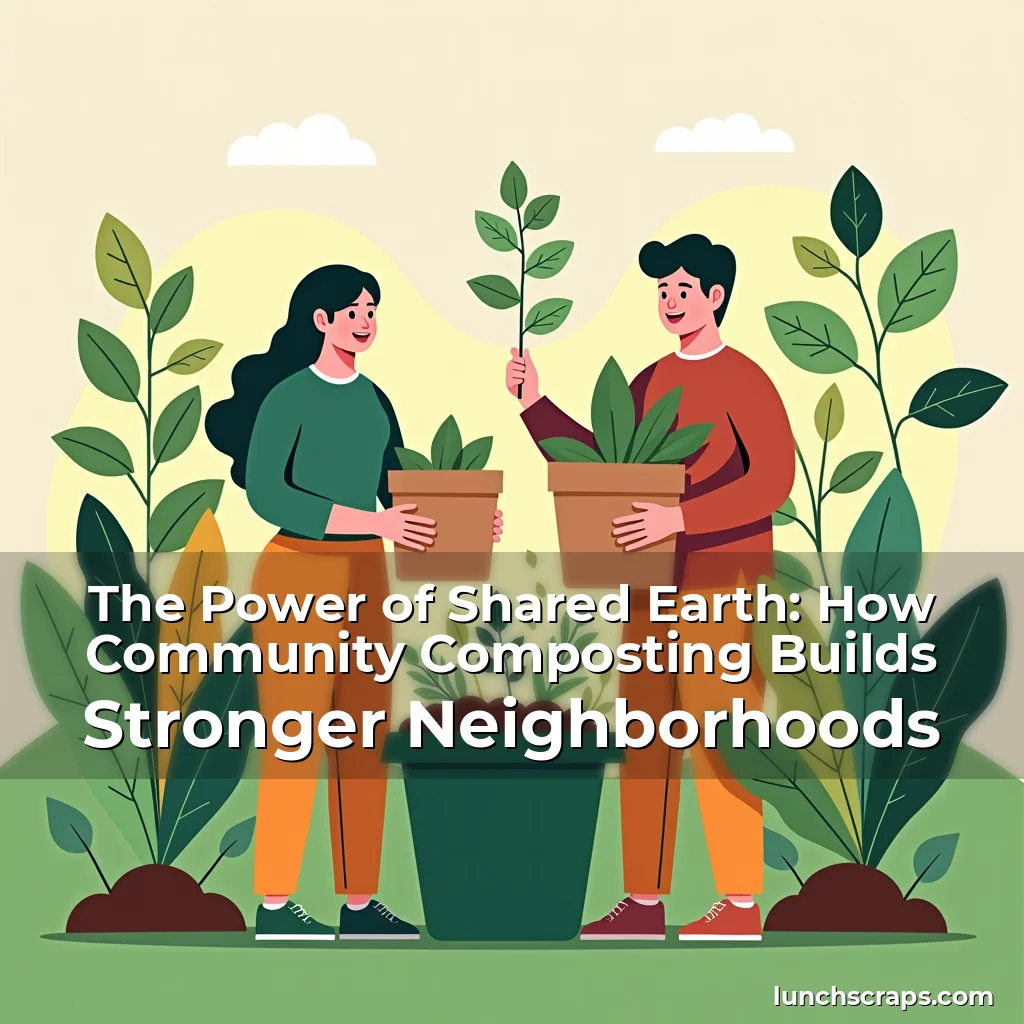
In an era where sustainability is no longer optional but essential, communities are finding innovative ways to reduce waste while nurturing local ecosystems. Community composting has emerged as a powerful solution that transforms organic waste from households and businesses into nutrient-rich soil amendments.
This collaborative approach not only diverts food scraps from landfills but also fosters neighborly connections through shared environmental stewardship. As cities grapple with rising waste management costs and climate change impacts, these grassroots initiatives offer both ecological and social benefits worth exploring.
Understanding the Roots of Community Composting
Community composting dates back to ancient agricultural practices where farmers would collect fallen leaves, animal manure, and kitchen waste to create natural fertilizers. This time-honored tradition laid the foundation for modern-day efforts that bring people together around sustainable living.
Today's programs take various forms across different neighborhoods. Some operate through centralized collection points where residents drop off their biodegradable materials, while others use curbside pickup services similar to regular trash collection routes.
A third model involves decentralized systems where individuals maintain small-scale bins at home that are then periodically collected by volunteers for processing. These diverse approaches reflect the adaptability of community composting to local needs and resources.
Regardless of implementation style, each program shares common goals: reducing landfill contributions, creating rich soil for gardening, and building stronger neighborhood bonds through collective action.
- Centralized hubs: Ideal for densely populated areas with limited individual space
- Curbside pickups: Offer convenience without requiring extra effort from participants
- Decentralized networks: Encourage personal engagement with the composting process
Environmental Benefits That Extend Beyond Your Backyard
When we divert organic material from landfills, we significantly reduce methane emissions - a potent greenhouse gas responsible for accelerating global warming. This simple act of reusing food waste can have far-reaching climatic effects.
Compost improves soil health by increasing its ability to retain water and nutrients. Healthy soils support robust plant growth, which in turn helps sequester carbon dioxide from the atmosphere through photosynthesis processes.
Studies show that widespread adoption of community composting could decrease municipal solid waste volumes by up to 30% within five years. This reduction eases pressure on existing disposal infrastructure and lowers overall environmental impact.
Moreover, using compost instead of chemical fertilizers reduces runoff pollution in nearby waterways. Nutrients stay contained in the soil rather than washing away into rivers and streams, protecting aquatic life and drinking water sources.
Economic Advantages for Local Communities
By keeping food waste out of landfills, municipalities save millions annually in disposal fees and transportation costs. These savings can be redirected toward other public services benefiting residents.
Local governments often invest reclaimed compost into urban greening projects such as tree planting initiatives and park maintenance. This creates additional green spaces that enhance quality of life and property values.
Some communities establish micro-enterprises around compost sales, providing employment opportunities for residents while promoting eco-friendly landscaping solutions.
These economic ripple effects demonstrate how environmental responsibility can simultaneously boost local economies and strengthen communal ties through shared purpose.
Fostering Social Connections Through Waste Management
Community composting programs naturally encourage interaction among neighbors who might otherwise never speak. Regular participation in collection events or educational workshops builds relationships based on mutual interests.
Many successful initiatives start with informal groups gathering at local parks or schools before evolving into structured organizations with defined roles and responsibilities. These gradual developments ensure long-term viability.
Volunteer involvement becomes a key component of most programs, offering meaningful engagement opportunities for people of all ages and backgrounds. This inclusivity strengthens social cohesion within neighborhoods.
The sense of accomplishment derived from contributing to something larger than oneself reinforces positive behaviors around sustainability and collective problem-solving.
Getting Started: A Step-by-Step Approach
Before launching any community composting initiative, conduct thorough research to understand local regulations regarding organic waste handling and potential zoning restrictions. Municipal guidelines vary widely between regions.
Engage with your neighborhood association or local government office to explore existing waste management policies. Understanding what is already in place will help identify gaps that your project could fill.
Start small by organizing informational sessions or forming discussion groups focused on the environmental benefits of composting. Educating peers lays the groundwork for broader acceptance and participation.
Pilot programs allow testing of different models before full-scale implementation. This phased approach minimizes risks associated with new ventures while demonstrating commitment to sustainable practices.
Overcoming Common Challenges and Obstacles
One of the biggest hurdles is changing mindsets about what constitutes acceptable compostable material. Many people remain unaware of proper sorting techniques or fear contamination issues.
To address this, provide clear signage at collection sites along with informative handouts detailing what items are safe for composting versus those that should be avoided. Visual aids prove particularly effective for explaining complex topics simply.
Logistical challenges include securing storage facilities, managing odors, and ensuring consistent volunteer turnout. Creative solutions range from repurposing old containers as compost bins to implementing rotating schedules for participant rotations.
Sometimes financial constraints limit initial investments required for equipment purchase or site preparation. Seeking grants from environmental foundations or partnering with local businesses willing to sponsor the cause offers viable alternatives.
Nurturing Long-Term Success Strategies
Sustaining momentum requires ongoing education and outreach efforts beyond launch phases. Regular updates via newsletters or social media platforms keep supporters engaged over time.
Establishing partnerships with schools enhances intergenerational learning experiences. Students gain practical knowledge about ecology while helping maintain active compost piles under supervision.
Creating recognition programs for top contributors motivates continued participation by acknowledging individual and group achievements publicly. Simple certificates or feature spotlights work surprisingly well in maintaining enthusiasm levels.
Annual reviews assessing program effectiveness ensure continuous improvement through data-driven decision making rather than relying solely on intuition or anecdotal evidence.
Expanding Impact Through Strategic Partnerships
Collaborations with local restaurants and grocery stores generate steady supplies of food waste suitable for composting. These commercial partners benefit from reduced disposal costs while supporting community sustainability goals.
Working with city planners allows integrating composting stations into new residential developments during construction phases rather than retrofitting later when space may become scarce.
Partnering with universities provides access to scientific expertise for optimizing composting methods and conducting relevant research studies. Academic institutions value real-world applications of theoretical concepts learned in classrooms.
Nonprofit organizations specializing in environmental conservation can offer training programs and certification courses tailored specifically for aspiring compost managers seeking professional development paths.
Conclusion
Community composting represents much more than just waste management; it embodies principles of cooperation, innovation, and environmental consciousness working hand-in-hand towards common objectives.
As individuals contribute their daily food scraps, they're participating in a movement that reshapes how societies relate to nature while strengthening interpersonal bonds within their immediate surroundings. The journey begins with understanding, followed by action, culminating in lasting change that benefits everyone involved.